
Sauces & Condiments
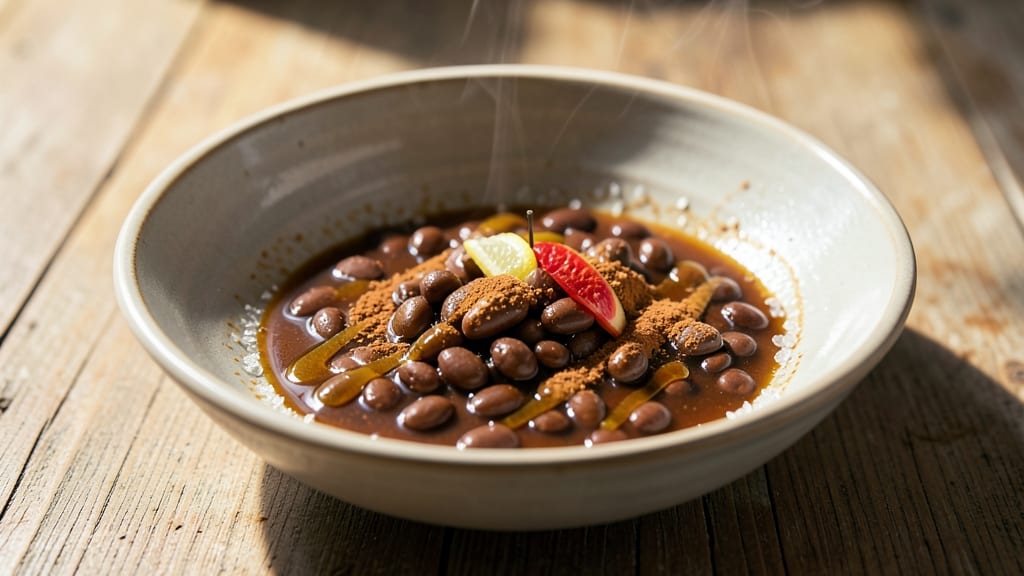
This adzuki bean water recipe transforms simple ingredients into a silky-sweet glaze that elevates roasted dishes, desserts, and drinks with minimal effort. The process is straightforward: simmer dried adzuki beans, strain the resulting liquid, and sweeten to taste.
What makes this technique special is its versatility—whether you're drizzling it over roasted vegetables, blending it into mochi fillings, or using it as a base for vegan desserts, the subtle nutty sweetness enhances everything it touches.
The beauty of adzuki bean water lies in its simplicity and adaptability. Unlike store-bought syrups, this homemade version requires just three core ingredients—beans, water, and a touch of sugar—and takes less than 30 minutes to prepare.
The strained liquid has a naturally rich, earthy sweetness that deepens flavors without overpowering them, making it a foolproof way to add depth to both savory and sweet dishes. For those following plant-based diets, this glaze is a game-changer, offering a refined alternative to dairy-based sweeteners.
Imagine drizzling this glaze over crispy roasted sweet potatoes, where its silky texture contrasts beautifully with the caramelized edges. Or use it to fold into steamed mochi for a traditional Japanese dessert with a modern twist.
The possibilities extend to savory broths, where it adds a subtle sweetness that balances umami flavors. With optional flavor variations like vanilla or cinnamon, you can tailor it to suit any dish or preference.
This recipe isn’t just about the glaze—it’s about unlocking a versatile, plant-based ingredient that works across cuisines. Whether you're a home cook looking to experiment or a seasoned chef refining techniques, adzuki bean water delivers restaurant-quality results with minimal effort. Let’s get started on creating something truly special.
Ingredients for adzuki bean water
Transform humble ingredients into a luxurious glaze with just these eight components.
| Ingredient | Amount | Notes |
|---|---|---|
| Dried Adzuki Beans 🌾 | 1 cup | Rinsed thoroughly before use |
| Water 💧 | 4 cups | Filtered preferred for clarity |
| Organic Cane Sugar 🍯 | ½ cup | Light brown preferred for depth |
| Vanilla Extract 🌿 | 1 tsp | Pure vanilla for authentic flavor |
| Ground Cinnamon 🌶️ | ½ tsp | Ceylon cinnamon for subtle warmth |
| Lemon Juice 🍋 | 1 tbsp | Freshly squeezed for brightness |
| Sea Salt 🧂 | ¼ tsp | Fine grain for delicate seasoning |
| Extra-Virgin Olive Oil 🫒 | 1 tbsp | For finishing drizzle (optional) |
The foundation begins with dried adzuki beans—high-quality organic from a specialty store like Whole Foods or Trader Joe's ensures superior texture and flavor. Look for beans that are uniformly colored and free of debris; rinsing thoroughly before use removes any residual dust or impurities that could cloud the final liquid. The water should be filtered or spring water for optimal clarity, as tap water with strong chlorine can impart off-flavors. For the sweetener, organic cane sugar from brands like Wholesome! Sweetener delivers a balanced sweetness without overpowering the natural earthiness of the beans. If you prefer a more refined finish, vanilla extract from McCormick or Frontier Co-op adds depth without dominating.
No vanilla extract? Almond extract at half the amount delivers a similar floral note, though with a distinct nutty undertone. Substituting maple syrup for the sugar requires reducing the quantity by one-third due to its higher viscosity, but it introduces a subtle caramel complexity. For those avoiding added sugars entirely, date syrup works beautifully—use two-thirds the amount of sugar called for. The lemon juice can be omitted if you prefer a neutral glaze, though its acidity helps balance the sweetness and extends shelf life. If you're using this glaze for savory applications like roasted vegetables, reduce the sugar by half and add a pinch of smoked paprika for depth.
Store the strained adzuki bean water in an airtight glass jar in the refrigerator for up to 2 weeks, though it develops richer flavors over time. For longer storage, freeze in ice cube trays—thawed cubes work perfectly for drizzling or blending into recipes. The glaze thickens slightly when chilled, so gently reheat and stir before use. When incorporating into dishes, start with 1-2 tablespoons and adjust to taste—its concentrated sweetness is potent. For roasted dishes, brush on just before serving to maintain caramelization, while for desserts, fold in gently to preserve the silky texture.
Why You'll Love This Recipe
- Here’s what sold me: the way the cinnamon and vanilla turn this into something ridiculously cozy. The adzuki beans release a deep, caramel-like sweetness as they cook, while the cinnamon adds warmth—like drinking a hug in liquid form. Honestly, it’s the kind of flavor that makes you pause mid-sip.
- Zero-Fuss Simplicity: I swear by this recipe because it’s basically set-it-and-forget-it. Soak the dried adzuki beans overnight (or even just 4 hours if you’re in a rush), then simmer with water, sugar, and a splash of vanilla—no peeling, no chopping, no stress. That’s it. The beans soften into a silky, naturally sweet broth that tastes like comfort without the fuss.
- Velvet-Smooth Magic: Here’s what sold me: the way the cinnamon and vanilla turn this into something ridiculously cozy. The adzuki beans release a deep, caramel-like sweetness as they cook, while the cinnamon adds warmth—like drinking a hug in liquid form. Honestly, it’s the kind of flavor that makes you pause mid-sip.
- Everyday or Special Occasion: Between us, this is my go-to for lazy Sundays and when I need to impress. Serve it warm as a dessert drink with a cinnamon stick, or chill it for a refreshing iced tea alternative. I’ve even used it as a base for smoothies—trust me, the earthy-sweet notes elevate everything.
Step-by-step instructions for adzuki bean water glaze
Transform simple ingredients into a velvety glaze that elevates roasted dishes with natural sweetness.
Soak and Simmer the Adzuki Beans
Place the 1 cup dried adzuki beans in a medium saucepan and cover with 4 cups water. Bring to a boil over medium-high heat, then immediately reduce to low heat and simmer uncovered for 45-60 minutes until the beans are fork-tender but not mushy. You'll know they're ready when they hold their shape but begin to break down slightly when pressed.
I like to skim off any foam that rises to the surface during the first 10 minutes of cooking—this keeps the final glaze cleaner and brighter. Stir occasionally to prevent sticking, but avoid mashing the beans even if they seem soft. The beans should be fully submerged throughout the cooking process, so add a splash of water if needed.
Blend Until Silky Smooth
Once the beans are tender, drain them through a fine-mesh strainer, reserving 1 cup of the cooking liquid. Transfer the beans to a blender along with the reserved cooking liquid, 0.5 cup organic cane sugar, 1 tsp vanilla extract, 0.5 tsp ground cinnamon, and 1 tbsp lemon juice. Blend on high speed until completely smooth, stopping to scrape down the sides as needed. This should take about 2-3 minutes of continuous blending.
The mixture will thicken as you blend, but don't worry—this is normal. You're aiming for a consistency similar to heavy cream. If the blender feels strained, add 1-2 tablespoons of water at a time until it purées smoothly. The final texture should coat the back of a spoon with a velvety, almost syrup-like quality.
Season and Reduce for Depth
Return the blended mixture to the saucepan and place over medium-low heat. Stir in the 0.25 tsp sea salt and bring to a gentle simmer. Let it cook uncovered for 10-15 minutes, stirring occasionally, until it thickens slightly and reduces by about 25%. You're looking for a syrupy consistency that coats a spoon but still flows freely—this is where the glaze develops its signature balance of sweetness and complexity.
Taste as you go and adjust the seasoning if needed. The cinnamon should be present but not overpowering, and the lemon juice should brighten the natural sweetness of the beans. If the glaze becomes too thick, add 1 tablespoon of water at a time until you reach the desired consistency. The final product should be glossy with a subtle sheen when drizzled.
Finish with Olive Oil (Optional)
Remove the glaze from heat and let it cool slightly. For an extra touch of richness, stir in the 1 tbsp extra-virgin olive oil during the last 2 minutes of cooking. This step is optional but adds a luxurious finish that pairs beautifully with roasted meats and vegetables. The oil should emulsify into the glaze, creating a silky texture with a hint of fruity depth.
For best results, use the glaze immediately while still warm. It's perfect for drizzling over roasted chicken, pork tenderloin, or even grilled vegetables. If you need to store it, transfer to an airtight container and refrigerate for up to 5 days. Reheat gently over low heat, stirring frequently to prevent scorching. The glaze will thicken as it cools, so adjust with a splash of warm water if needed before using.
Pro Tips For Making Adzuki Bean Water
- Soak Overnight: I learned this the hard way—skipping the soak means your adzuki beans will fight you for hours, never softening properly. Toss them in cold water 8-12 hours ahead, then drain and rinse before cooking. The longer they soak, the sweeter and smoother the final water turns.
- Simmer Low and Slow: High heat ruins this recipe. After an initial boil, drop to a gentle simmer—just bubbles breaking the surface, not rolling. I used to rush it, and the beans would turn mushy or the water taste bitter. Patience here makes all the difference.
- Strain Twice: One pass through a fine-mesh strainer leaves grit. Do it twice, and your adzuki water will be silky. Press the beans lightly with a spoon to extract every last drop—your future self will thank you for the extra effort.
- Sugar in Stages: Dump all the organic cane sugar at once, and you’ll end up with a cloying syrup. Instead, add half the sugar with the beans, then the rest after 45 minutes of simmering. This balances sweetness without overpowering the vanilla and cinnamon.
Flavor customization for adzuki bean water
Sweet-Savory Balance
Transform your glaze into a sweet-savory masterpiece by adding 1 tsp soy sauce or 1 tbsp tamari during the final reduction step. This Japanese-inspired twist works beautifully with roasted meats or glazed tofu, adding depth without overpowering the natural bean sweetness.
For a smoky touch, stir in ½ tsp smoked paprika or a pinch of liquid smoke—ideal for barbecued dishes or grilled vegetables. 🌶️
Citrus Zest Variations
Brighten your glaze with zesty citrus notes by infusing it with 1 tsp grated orange or lemon zest during the simmering phase. The oils in the zest will meld into the glaze, creating a vibrant contrast that pairs perfectly with roasted chicken or seared fish.
For a tropical twist, add ½ tsp ground ginger and a splash of lime juice—this works wonders with caramelized pineapple or grilled shrimp.
Spiced Chai Fusion
Create a warm, aromatic glaze by swapping the cinnamon for a spiced chai blend: combine ½ tsp each of ground cardamom, cloves, and ginger with the original cinnamon. Simmer the spices in the bean liquid for 5 minutes before blending to extract their flavors.
This variation shines with roasted squash, spiced nuts, or even vanilla ice cream for a dessert twist. 🌟
Herbal Infusions
Elevate your glaze with fresh herbs like 1 tbsp chopped mint or basil, added during the final reduction. The herbs will wilt into the mixture, infusing it with a bright, aromatic quality. This works beautifully with roasted lamb, grilled halloumi, or fresh fruit salads.
For a rosemary-garlic twist, steep 2 sprigs fresh rosemary and 2 minced garlic cloves in the simmering liquid for 10 minutes before blending—perfect for roasted potatoes or glazed carrots.
Creamy Coconut Twist
For a tropical, velvety glaze, replace half the water with coconut milk during the initial simmer. After blending, stir in 1 tbsp toasted coconut flakes for texture. This variation pairs exceptionally well with curry dishes, grilled pineapple, or chilled coconut milk desserts.
The coconut milk adds a subtle richness that complements the earthy sweetness of the adzuki beans. ✨
Smoky Maple Adaptation
Swap the cane sugar for ½ cup pure maple syrup and add ½ tsp chipotle powder or 1 tsp adobo sauce during the reduction. This smoky-sweet glaze is perfect for roasted pork, grilled corn, or black bean tacos.
The maple syrup deepens the flavor profile while the chipotle adds a subtle heat that balances the sweetness beautifully. 🔥
Nutrition facts
Frequently asked questions
Can I use canned adzuki beans instead of dried?
Yes, but with adjustments! Use 1.5 cups canned beans (drained and rinsed) instead of 1 cup dried, and reduce the cooking liquid to 2 cups since canned beans are pre-cooked. Blend as directed, but expect a slightly thinner texture—add 1 tablespoon cornstarch mixed with water to thicken if needed.
How do I make this glaze vegan?
This recipe is already 100% plant-based! The original ingredients—adzuki beans, water, sugar, vanilla, cinnamon, and lemon—are all vegan. For extra richness, use maple syrup instead of cane sugar or add 1 tablespoon coconut cream during the final reduction.
What's the best way to store leftover glaze?
Transfer to an airtight glass container and refrigerate for up to 5 days. The glaze will thicken when chilled—gently reheat with 1 tablespoon water per ½ cup glaze until smooth. For longer storage, freeze in ice cube trays and thaw as needed for drizzling.
Can I use this glaze for savory dishes?
Reduce the sugar by half and add 1 tsp soy sauce or ½ tsp smoked paprika for depth. It works beautifully on roasted vegetables, grilled meats, or even as a dipping sauce for tofu. The natural umami from the beans pairs perfectly with savory flavors.
Why did my glaze turn bitter?
Overcooking or using old beans causes bitterness. Always simmer beans gently (never boil vigorously) and strain immediately after cooking. For extra flavor without bitterness, add 1 tsp vanilla extract or ½ tsp orange zest during blending. Store dried beans in a cool, dark place to maintain freshness.