
Salads
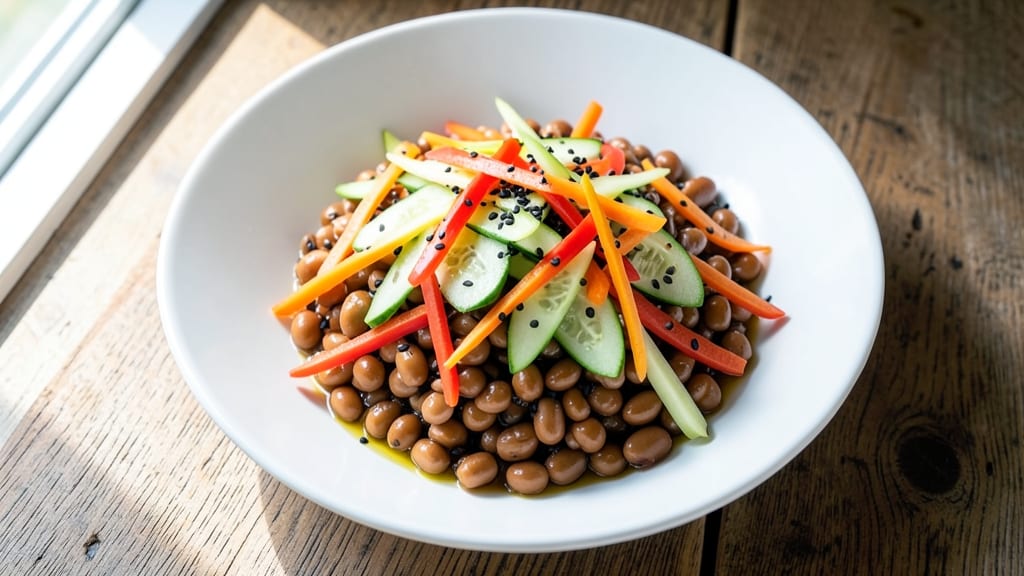
This adzuki bean salad recipe transforms humble beans into a vibrant, textured dish that balances sweet, savory, and nutty flavors—perfect for meal prep or elegant gatherings. 🌟 The secret lies in soaking and simmering the beans until tender yet firm, then tossing them with crisp vegetables, a tangy dressing, and a crunchy sesame finish that elevates every bite.
Whether you lean into traditional Japanese kibina sweetness or a modern savory twist, this salad delivers restaurant-quality results with minimal effort.
What sets this recipe apart is its versatility—it works as a standalone dish, a side for grilled proteins, or a topping for grain bowls. The beans absorb flavors beautifully, while the dressing (a mix of citrus, soy, and maple) keeps everything cohesive.
For extra crunch, toasted sesame seeds and sliced cucumbers add layers of texture that make it irresistibly satisfying. Plus, it’s naturally vegan, gluten-free, and nut-free (with substitutions), so everyone at the table can enjoy it.
The process is straightforward: soak overnight, simmer until tender, then assemble with fresh ingredients. The result is a salad that’s bright, crunchy, and packed with plant-based protein, yet light enough for warm weather.
Serve chilled or at room temperature—it’s equally delicious either way. Ready to make your next meal stand out? Let’s get started.
This recipe also shines as a make-ahead dish, keeping well in the fridge for up to 4 days. Swap in bell peppers for heat, add edamame for extra protein, or drizzle with spicy mayo for a modern twist.
The possibilities are endless, but the foundation remains the same: simple, flavorful, and foolproof.
Ingredients for adzuki bean salad
Transform humble adzuki beans into a vibrant, restaurant-quality dish with these 14 ingredients.
| Ingredient | Amount | Notes |
|---|---|---|
| Adzuki Beans 🌱 | 1 ½ cups | Dried, soaked overnight |
| Carrots 🥕 | 1 whole | Medium, julienned lengthwise |
| English Cucumbers 🥒 | 1 whole | Seedless, thinly sliced |
| Red Bell Pepper 🌶️ | 1 whole | Medium, diced |
| Fresh Ginger 🌿 | 1 tbsp | Finely grated |
| Sesame Seeds 🥜 | 2 tbsp | Toasted lightly |
| White Sesame Oil 🫒 | 1 ½ tbsp | For finishing |
| Rice Vinegar 💧 | 3 tbsp | Seasoned preferred |
| Maple Syrup 🍯 | 2 tbsp | Pure, grade B |
| Soy Sauce 🍶 | 2 tbsp | Low-sodium preferred |
| Fresh Cilantro 🌿 | ¼ cup | Chopped, stems removed |
| Lemon Juice 🍋 | 1 ½ tbsp | Freshly squeezed |
| Sea Salt 🧂 | ½ tsp | Fine grain preferred |
| Black Pepper 🌶️ | ¼ tsp | Freshly ground |
The adzuki beans are the foundation—opt for organic dried beans from Trader Joe's or Whole Foods for consistent texture. Soaking overnight reduces cooking time and prevents splitting, which keeps the salad's integrity. For extra crunch, lightly toast the sesame seeds in a dry pan until golden—this enhances their nutty flavor. Fresh ginger is non-negotiable; substitute with 0.5 tsp ground ginger if absolutely necessary, but the texture and aroma differ significantly. The carrots should be julienned uniformly for even distribution throughout the salad.
No rice vinegar? Apple cider vinegar works in a pinch, though the flavor profile shifts slightly. Maple syrup can be swapped for agave nectar at a 1:1 ratio, but grade B maple adds depth that refined agave lacks. For a spicier kick, add 1 tsp sriracha or chili crisp to the dressing. The bell pepper can be omitted entirely if you prefer a milder flavor, but its sweetness balances the salad's savory notes. Cilantro lovers can double the amount, while those who dislike it can replace it with 0.25 cup chopped parsley—both add freshness without overpowering.
Assembled salad keeps 3-4 days in an airtight container in the fridge, though texture degrades after day 3. For best results, store components separately: beans, veggies, and dressing. Reassemble just before serving to maintain crispness. The dressing can be made 2 days ahead and stored separately. To reheat, microwave for 30 seconds with a splash of water to revive texture. This dish also freezes beautifully for up to 3 months—portion into single servings before freezing for easy meal prep.
Why You'll Love This Recipe
- No-Cook Core: I swear by this—just toss the pre-cooked adzuki beans with julienned carrots and cucumbers, and the texture does half the work. The bell pepper’s crunch and ginger’s zing wake up every bite without a single hot pan.
- Sweet-Savory Balance: That caramelized ginger glaze on the beans? It’s the secret weapon. Earthy adzuki meets bright cucumber and just enough heat from the pepper—honestly, I’ve seen picky eaters finish their plates.
- Lunchbox Legend: Pack it in jars or bento boxes, and it stays fresh for days. My kids take it to school, my partner brings it to meetings, and I eat it straight from the fridge at midnight—no judgment, just satisfaction.
- Budget Brightener: A bag of dried adzuki beans lasts forever, and the veggies stretch across multiple meals. Between us, this salad costs me pennies per serving but tastes like a fancy restaurant’s side dish.
Step-by-step instructions for adzuki bean salad
Here's how to assemble this vibrant, textured salad with perfect balance of sweet and savory flavors.
👨🍳 Step 1: Prepare the Adzuki Beans
Drain and rinse the soaked 1.5 cups adzuki beans thoroughly under cold water. In a medium saucepan, combine the beans with 8 cups fresh water and bring to a boil over high heat. Once boiling, reduce to medium-low heat and simmer for 45-60 minutes until the beans are tender but still hold their shape—you'll know they're ready when they're fork-tender with no hard centers.
Drain the beans again and transfer them to a large mixing bowl. While still warm, gently toss them with 2 tablespoons soy sauce and 0.5 teaspoon sea salt. Let them cool to room temperature before proceeding—this prevents the salad from becoming soggy later. I like to spread them on a baking sheet to cool faster while I prep the vegetables.
🔪 Step 2: Prep and Combine All Vegetables
Using a mandoline slicer or sharp knife, julienne the 1 whole carrot lengthwise into thin strips (about 1/8-inch thick). Cut the 1 whole seedless English cucumber into 1/4-inch thick half-moons, removing any seeds. Dice the 1 whole red bell pepper into 1/4-inch cubes—this size ensures even distribution throughout the salad.
Finely grate the 1 tablespoon fresh ginger using a microplane or fine grater. Add all the prepared vegetables to the cooled adzuki beans, along with the grated ginger. Gently toss everything together with your hands or a large spoon, being careful not to mash the beans or vegetables. The salad should look vibrant with a mix of red, orange, and green colors.
🥘 Step 3: Make the Sweet-Savory Dressing
In a small bowl, whisk together the 3 tablespoons rice vinegar, 2 tablespoons maple syrup, 1.5 tablespoons lemon juice, and 0.25 teaspoon black pepper until fully combined. This dressing forms the flavor base—its tangy-sweet profile complements the earthy beans and fresh vegetables perfectly.
Gradually drizzle in the 1.5 tablespoons white sesame oil while whisking continuously. The oil should emulsify with the vinegar mixture, creating a silky dressing. Taste and adjust seasoning if needed—you might want to add a pinch more salt or a splash of vinegar to balance the sweetness. Set the dressing aside until ready to use.
🍽️ Step 4: Assemble and Finish the Salad
Pour the dressing over the bean and vegetable mixture in the large bowl. Using your hands or a large spoon, gently fold everything together until the dressing is evenly distributed. The salad should look glossy and inviting, with the beans and vegetables coated in the dressing.
Sprinkle the 2 tablespoons toasted sesame seeds and 0.25 cup chopped fresh cilantro over the top. The sesame seeds add a satisfying crunch, while the cilantro provides a fresh herbal note. Let the salad sit for 10-15 minutes before serving to allow the flavors to meld together—this is when the true harmony of sweet, savory, and umami comes through.
Pro Tips For Making Adzuki Bean Salad
- SOAK BEANS OVERNIGHT: I learned this the hard way—rushing adzuki beans with a quick soak leaves them gummy. Cover them in water (about 3 inches above) and let them sit 12+ hours. The longer they soak, the faster they cook, and the creamier the texture. No, you won’t forget—just set a note on your phone.
- PEEL GINGER IN STRIPS: Skip the grating if you’re short on time. Use a peeler to make thin strips of ginger—it keeps the texture intact and adds bright, chewy contrast to the salad. (Yes, I know it looks weird, but it works.) Save the scraps for broth later.
- CUT CUCUMBERS LAST: English cucumbers release water like crazy. Slice them right before tossing with the dressing, or they’ll turn your salad into soup. If you’re ahead, store them whole in a colander to drain excess moisture.
- DRESSING AFTER CHILLING: Tossing the salad immediately makes the beans soggy. Let the cooked beans and veggies cool completely (about 30 minutes), then mix in the dressing. The beans absorb it better, and the flavors meld without turning mushy. Patience here makes all the difference.
Flavor customization for this recipe
Sweet-Savory Balance
Start with the classic sweet-savory ratio in your dressing—2 tablespoons maple syrup to 3 tablespoons rice vinegar—for that signature Japanese-inspired flavor. For a deeper umami punch, add 1 teaspoon mirin or 1 tablespoon coconut aminos to the dressing.
I love using grade B maple syrup for its caramel notes, but agave works in a pinch. If you prefer tangier, swap ½ tablespoon lemon juice for extra zing. 🌟
Spicy Heat Boost
For a fiery kick, toss in 1 teaspoon gochujang (Korean chili paste) or ½ teaspoon sriracha with the dressing. If you love fresh heat, finely dice 1 Thai chili and mix it into the salad just before serving.
For smoky depth, add ½ teaspoon smoked paprika to the dressing. Always taste first—adjust to your spice tolerance!
Herbaceous Twists
Swap out cilantro for 0.25 cup chopped mint or 0.25 cup basil for a Mediterranean vibe. Fresh 0.25 cup parsley adds brightness without overpowering. For a tropical touch, use 0.25 cup chopped Thai basil or 0.25 cup cilantro stems (finely chopped).
Toasted 1 tablespoon pumpkin seeds or 1 tablespoon sunflower seeds replace sesame seeds for a nut-free crunch.
Global Fusion Flavors
Transform this salad into a Mexican-inspired dish by adding 0.25 cup diced avocado, 0.25 cup corn, and a dressing of lime juice + olive oil + cumin.
For a Middle Eastern twist, mix in 0.25 cup chopped red onion, 0.25 cup crumbled feta (omit for vegan), and a dressing of lemon + tahini + garlic. A Korean-inspired version swaps soy sauce for gochujang and adds 0.25 cup shredded carrots + sesame seeds.
Texture Upgrades
Add 0.5 cup cooked quinoa or 0.5 cup brown rice for heartier texture. For extra crunch, fold in 0.5 cup shredded cabbage or 0.5 cup matchstick-cut jicama.
Toasted 1 tablespoon nori strips add a seaweed umami punch. If you love nuts, sprinkle 0.25 cup chopped walnuts or 0.25 cup cashews (toasted lightly) for richness. 💫
Dressing Variations
For a creamy dressing, blend 0.25 cup silken tofu with 1 tablespoon lemon juice and 1 tablespoon soy sauce. A spicy mayo version mixes 2 tablespoons vegan mayo with 1 teaspoon sriracha and 1 teaspoon lime juice.
For a herb-infused oil, steep 2 tablespoons chopped dill or 2 tablespoons chopped tarragon in 0.5 cup olive oil for 15 minutes, then strain and use as a finishing drizzle.
Nutrition facts
Frequently asked questions
Can I use canned adzuki beans instead of dried for this salad?
Yes, but with adjustments! Use 1.5 cups drained canned adzuki beans (about 2 cans) and skip the soaking step. Simmer them in 2 cups water for 10-15 minutes to heat through and enhance flavor. Canned beans save time but lack the texture of properly soaked dried beans—expect slightly softer results.
How do I make this salad nut-free?
Easy swaps make this recipe nut-free! Replace sesame seeds with toasted pumpkin seeds or sunflower seeds (toasted for 2-3 minutes in a dry pan). For extra crunch, add toasted coconut flakes or crispy fried shallots. Check all ingredients (like soy sauce) for hidden nut traces if allergic.
Can I make this salad ahead of time?
Store components separately for 4 days in the fridge: beans/veggies in one container, dressing in another. Reassemble just before serving to maintain crispness. The dressing can be made 2 days ahead—just stir well before using. For freezing, portion into single servings (beans + veggies only) for up to 3 months—thaw overnight in the fridge.
What's the best way to serve this salad?
This versatile salad works perfectly as a standalone dish, side for grilled proteins, or topping for grain bowls. For presentation, serve in a wide bowl with extra sesame seeds sprinkled on top. Pair with miso soup, sushi rolls, or grilled tofu for a complete meal. It also makes an excellent picnic dish—pack components separately to keep everything fresh.
Why did my beans turn mushy?
Overcooking or improper soaking causes mushiness. Always soak dried beans 8+ hours (overnight ideal), then simmer gently—medium-low heat only. Avoid boiling vigorously after soaking. For canned beans, simmering too long breaks down their structure. Cool beans completely before mixing to prevent sogginess from condensation.