
Soups & Stews
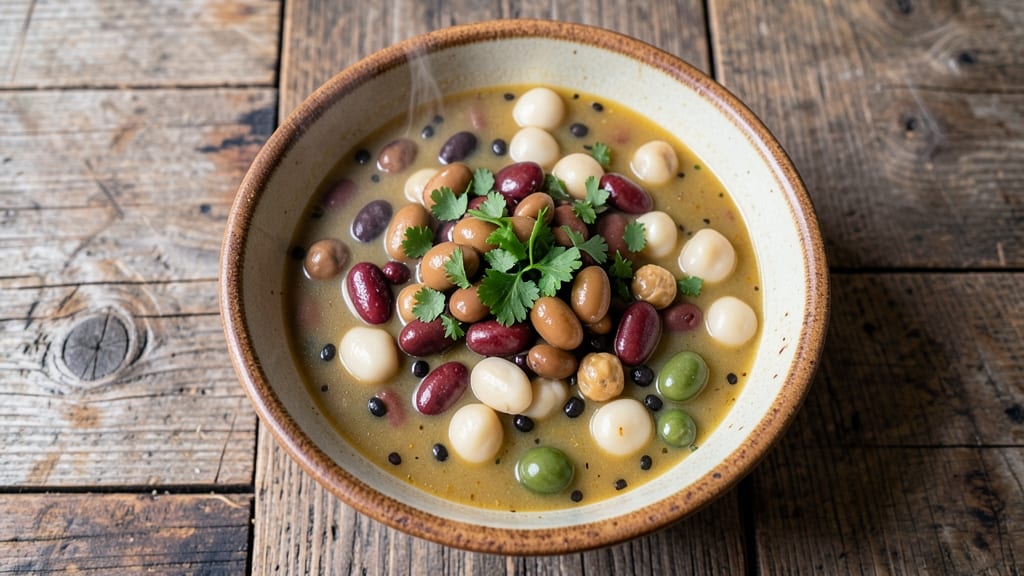
This 7 bean soup recipe from scratch transforms simple pantry staples into a deeply satisfying meal that tastes like a hug in a bowl. I developed it during a particularly chilly week when I wanted something hearty yet flexible—no fancy ingredients, just good flavor.
The key is balancing earthy beans with aromatic vegetables and a rich broth that simmers into perfect harmony.
The beauty of this recipe lies in its adaptability. While traditional versions often include meat, this vegetarian approach delivers the same robust, comforting depth using navy beans, kidney beans, and white beans simmered with carrots, celery, and onions.
The slow cooking process—at least 2 hours—allows flavors to meld and the beans to soften just enough to create that signature creamy texture.
What you'll end up with is a soup that's naturally thick and velvety, packed with protein and fiber, yet light enough for lunch or substantial enough for dinner. The aroma alone—warm spices, caramelized vegetables, and simmering beans—will have everyone gathered around the table.
Best of all, it's a recipe that improves with time, making it perfect for meal prep.
Serve it as-is for a rustic feel, or garnish with fresh parsley, a drizzle of olive oil, or a sprinkle of feta for extra brightness. This is the kind of soup that feels like coming home after a long day. Let's get started!
Ingredients for 7 bean soup recipe from scratch
Simple pantry staples that transform into a hearty, comforting bowl of earthy goodness.
| Ingredient | Amount | Notes |
|---|---|---|
| Navy Beans 🌱 | 1 ½ cups | Dried, soaked overnight |
| Kidney Beans 🌱 | 1 cup | Dried, soaked overnight |
| White Beans 🌱 | 1 cup | Dried, soaked overnight |
| Black-Eyed Peas 🌱 | 1 cup | Dried, soaked overnight |
| Lima Beans 🌱 | ½ cup | Dried, soaked overnight |
| Great Northern Beans 🌱 | ½ cup | Dried, soaked overnight |
| Chickpeas 🌱 | ½ cup | Dried, soaked overnight |
| Yellow Onions 🧅 | 2 whole | Chopped, medium size |
| Carrots 🥕 | 3 pieces | Peeled, chopped into chunks |
| Celery Stalks 🧅 | 3 whole | Chopped, medium size |
| Garlic Cloves 🧄 | 4 cloves | Minced for depth |
| Vegetable Broth 💧 | 6 cups | Low-sodium preferred |
| Tomato Paste 🍅 | 2 tbsp | For richness |
| Bay Leaves 🌿 | 2 whole | Fresh preferred |
| Thyme Leaves 🌿 | 1 tsp | Dried, or 1 tbsp fresh |
| Black Peppercorns 🌶️ | 1 tsp | Freshly cracked |
| Extra-Virgin Olive Oil 🫒 | 2 tbsp | For sautéing |
| Salt 🧂 | 1 ½ tsp | Adjust to taste |
The beans are the soul of this soup—dried beans give the best texture and flavor, but canned works in a pinch (just drain and rinse). Bob's Red Mill or Great Northern beans from the bulk section are my go-tos, but any dried variety will do. Soak them overnight in plenty of water—at least 8 hours—then drain and rinse before adding to the pot. The onions, carrots, and celery form the aromatic base—chop them evenly so they cook at the same rate. If you're short on time, Trader Joe's pre-chopped veggie mix saves steps without sacrificing flavor.
No fresh thyme? Dried works perfectly—just use a third the amount. Short on vegetable broth? Water plus 1 extra bay leaf and 1 tsp soy sauce gets you close. The tomato paste is non-negotiable for that deep, savory richness—Rao's or Mueller's brands are my pantry staples. Want to stretch this further? Add a handful of spinach or kale at the end for extra nutrients. The carrots can be baby carrots if that's what you've got—no need to peel if they're organic. For extra depth, toast the spices in the olive oil for 30 seconds before adding broth.
This soup tastes even better the next day—make a double batch if you can. Store in airtight containers for 5 days in the fridge or freeze for up to 3 months. Reheat gently on the stove, adding a splash of water or broth if it thickens too much. The beans will soften further, making it even more velvety. Garnish with fresh parsley or a drizzle of olive oil right before serving—trust me, it makes a difference. Leftovers? Perfect for lunches all week.
Why You'll Love This Recipe
- Pantry Powerhouse: I swear by this recipe because it’s made from ingredients I already have—no last-minute grocery runs. Just dump in the navy, kidney, white, black-eyed peas, and lima beans (soaking them overnight cuts down on cook time), add a few spices, and let it simmer. That’s it.
- Deep, Earthy Richness: The mix of beans creates this perfect balance—creamy white beans, hearty navy, and the slight sweetness of black-eyed peas. Honestly, the longer it sits, the better it tastes, especially when the flavors meld with a bay leaf and a splash of apple cider vinegar.
- Meal Prep MVP: This soup begs to be made in bulk. I make a double batch on Sundays, and it lasts all week—great for lunches, potlucks, or even a quick dinner when I’m too tired to think. The beans just get better as they reheat, too.
- Budget-Friendly Feast: A pound of dried beans costs pennies, and this recipe stretches them into so many servings. Between us, it’s my go-to when I need to feed a crowd without breaking the bank. Plus, the leftovers freeze like a dream for those lazy days.
Step-by-step instructions for 7 bean soup from scratch
Transforming dried beans into a rich, hearty soup is easier than you think—just follow this simple method.
Soak the Beans Overnight for Maximum Tenderness
Combine all the dried beans—1.5 cups navy beans, 1 cup kidney beans, 1 cup white beans, 1 cup black-eyed peas, 0.5 cup lima beans, 0.5 cup great northern beans, and 0.5 cup chickpeas—in a large bowl. Cover them with plenty of cold water (at least 8 cups) and let them soak overnight in the refrigerator. This overnight soak ensures they cook evenly and reduces cooking time significantly.
I always use a big enough bowl so the beans can move freely—this prevents them from clumping together. The next morning, drain and rinse the beans thoroughly before using. If you forget to soak them overnight, you can still make this soup by simmering the beans in fresh water for 1-2 hours before adding the broth, but overnight soaking is the secret to that perfect texture.
Sauté the Vegetable Base for Deep Flavor
Heat the 2 tablespoons extra-virgin olive oil in a large pot over medium heat. Add the chopped 2 whole yellow onions, 3 pieces carrots, and 3 whole celery stalks. Cook for 8-10 minutes, stirring occasionally, until the vegetables soften and the onions become translucent. This step builds the foundation of flavor—don't skip it.
Once the vegetables are tender, add the 4 cloves minced garlic and cook for another 1 minute until fragrant. Here's the thing—garlic burns quickly, so keep an eye on it. The aroma should fill your kitchen, signaling that the base is ready for the next step. Stir in the 2 tablespoons tomato paste and cook for 1 more minute to deepen the richness.
Simmer the Beans in Broth Until Fork-Tender
Add the drained beans, 6 cups vegetable broth, 2 whole bay leaves, 1 teaspoon thyme leaves, 1 teaspoon black peppercorns, and 1.5 teaspoons salt to the pot. Bring everything to a boil over high heat, then immediately reduce the heat to low and let it simmer uncovered. You'll want to maintain a gentle bubble—this keeps the beans from breaking apart.
Simmer for 1.5 to 2 hours, stirring occasionally and adding more broth if needed to keep the beans submerged. The beans are done when they're fork-tender but still hold their shape. I know it seems like a long time, but patience is key—rushing this step will result in mushy beans. You'll see the liquid reduce as the beans absorb the flavor, creating that perfect thick yet brothy consistency.
Season and Adjust for Perfect Balance
Once the beans are tender, remove the bay leaves and discard them. Taste the soup and adjust the seasoning if needed—add more salt or pepper to your liking. The soup should be rich and flavorful, with a perfect balance of earthy bean flavors and the sweetness from the sautéed vegetables. If it's too thick, add a splash of water or broth to reach your desired consistency.
For an extra touch, I like to stir in a spoonful of the reserved soaking liquid (if any) or a splash of vinegar to brighten the flavors. This is where the magic happens—taking the time to taste and adjust ensures your soup is perfectly balanced. Serve it hot, with crusty bread or over rice, and enjoy the hearty, comforting flavors of this classic 7 bean soup.
Pro Tips For Making 7 Bean Soup Recipe From Scratch
- SOAK BEANS SEPARATELY: Navy and lima beans need a long soak (8+ hours or overnight), while kidney and black-eyed peas tolerate a quick soak (2 hours max). I learned this the hard way—mixing them all together left some beans rock-hard while others turned mushy. Use two bowls if needed, and drain well before cooking.
- SIMMER LOW AND LONG: This isn’t a rushed dish. After boiling the beans for 10 minutes, drop the heat to a bare simmer (tiny bubbles, maybe 160°F/71°C). I used to crank the heat higher to speed things up, but that turns the soup gummy. Patience here means creamy, flavorful beans—not gluey.
- SKIP THE BLENDING: Resist the urge to puree any part of this soup. The texture comes from the beans breaking down naturally, not from a blender. If you blend even a few, the whole pot turns into a thick paste. Stir occasionally instead—let the beans do their thing.
- SAVOR THE STALK: Save the celery and onion ends (the "stalk") from your veggie prep. Toss them into the pot while the beans simmer—they’ll infuse flavor without needing extra chopping. I skip this shortcut sometimes, and the soup tastes noticeably less rich. It’s lazy but worth it.
Essential equipment for this recipe
Large Pot Essentials
A 6-8 quart Dutch oven or heavy pot is my go-to for this recipe—it needs to handle the beans and broth without boiling over. I swear by Le Creuset Dutch ovens for their even heat distribution, but a Calphalon enameled pot works just as well.
If you're on a budget, a All-Clad stainless steel pot (with a lid) does the job too. The key is finding a pot with a tight-fitting lid to trap steam and cook the beans efficiently. 🔥
Bean Soaking Tools
For soaking beans, I use a large mixing bowl (at least 8-quart capacity) to give them room to expand. A colander with large holes is essential for draining and rinsing—OXO Good Grips colanders are my favorite because they're sturdy and easy to clean.
If you're short on space, a mesh produce bag works too, but I prefer the bowl method for better visibility and drainage.
Knife and Cutting Board
A sharp chef's knife (like Wüsthof Ikon) and a cutting board are non-negotiable for chopping onions, carrots, and celery evenly. I always recommend a plastic or bamboo board to protect your knife's edge.
For mincing garlic, a garlic press saves time, but a knife works too. Pro tip: Keep your knife sharp—dull blades make chopping harder and less safe. ✨
Measuring and Spice Tools
Precision matters with spices and liquids, so I use a set of measuring spoons (like OXO Stainless Steel) for thyme and peppercorns. A liquid measuring cup (I love Pyrex) ensures accurate broth measurements.
For the tomato paste, a small silicone spatula helps scrape every last bit from the tube—Rao's is my brand of choice, but any good-quality paste works. A fine-mesh strainer comes in handy if you want to remove any stray peppercorns before serving.
Optional Upgrades
If you're a soup enthusiast, consider a immersion blender (like Ninja) for blending in a handful of spinach or kale at the end—it keeps the texture smooth without transferring to another pot.
A wooden spoon is ideal for stirring (it won't scratch your pot), and a ladle makes serving easier. For meal prep, glass storage containers (like Rubbermaid) keep leftovers fresh for days. 💫
Nutrition facts
Frequently asked questions
Can I substitute canned beans instead of dried?
Use 2 (15-ounce) cans of each bean type (navy, kidney, white, black-eyed peas, lima, great northern, and chickpeas) for a shortcut. Drain and rinse them thoroughly before adding to the pot. The texture will be slightly softer, but the flavor remains rich and satisfying. For best results, add the canned beans with the broth and simmer for 30-45 minutes to let flavors meld.
How do I prevent the beans from getting mushy?
Overnight soaking is key—it ensures even cooking. Simmer the beans on low heat and maintain a gentle bubble (not a rolling boil) to avoid breaking them apart. Stir occasionally and add broth as needed to keep them submerged. If they start to look too soft, reduce the heat further or cover the pot to slow cooking. The beans are done when fork-tender but still hold their shape.
Can I make this soup in a slow cooker?
Yes! Combine all ingredients in the slow cooker and cook on low for 6-7 hours or high for 3-4 hours. The slow cooker’s gentle heat helps the beans soften evenly without overcooking. Just skip the initial sautéing step—add the chopped vegetables directly with the broth and beans. Stir occasionally and adjust seasoning at the end.
What can I add to make it more flavorful?
For extra depth, stir in 1 teaspoon smoked paprika or ½ teaspoon cayenne with the tomato paste. A splash of red wine (¼ cup) or apple cider vinegar (1 tablespoon) brightens the broth. For umami, add 1 teaspoon soy sauce or a pinch of MSG. Garnish with fresh parsley, a drizzle of olive oil, or crumbled feta for freshness.
How long does this soup keep in the fridge?
Store leftovers in an airtight container for up to 5 days. The flavors actually improve as it sits! Reheat gently on the stove, adding a splash of water or broth if it thickens too much. For longer storage, freeze in portions for up to 3 months. Thaw overnight in the fridge before reheating—never microwave directly from frozen.